
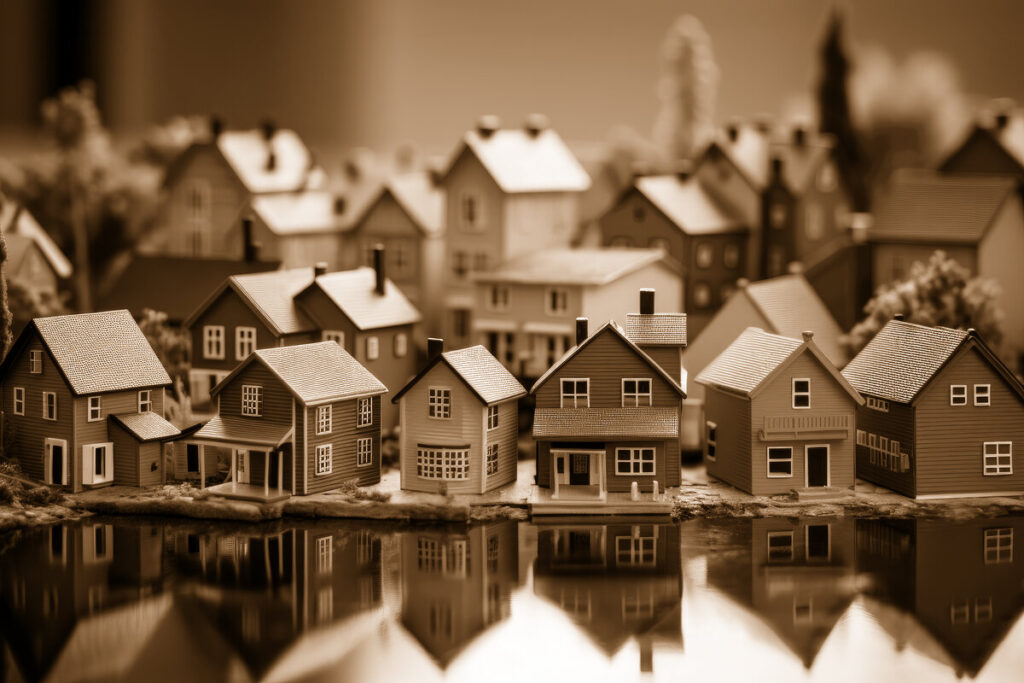
Nestled on a sunny peninsula where the Mystic River meets Long Island Sound, Noank is one of Groton’s hidden gems—a village whose enduring character and deep New England roots have enchanted generations. For over three centuries, this special corner of Connecticut has been shaped by its ties to the sea, its resilient families, and its lovingly preserved architecture. To stroll along Elm Street or down to the Noank Town Dock today is to feel echoes of a vibrant past that continues to enrich community life.
The Origins of Noank: From Native Grounds to Maritime Hub
Long before colonial settlers arrived, the land we now know as Noank was the summer camping and fishing grounds of the Pequot people. The name “Noank” itself is believed to come from the Pequot word “Nauwannuc,” meaning “point of land,” a fitting tribute to the peninsula’s geography.
In 1655, the land was purchased by James Morgan of New London from the Pequot sachem Attawanhood (a.k.a. Tatobem). For generations, the area remained largely rural—farms dotted the rocky hillsides, and oystermen plied the waters between Morgan Point and Enders Island.
Noank’s Rise as a Shipbuilding and Seafaring Village
By the 19th century, Noank reinvented itself as a bustling shipbuilding center. The 1848 founding of the Palmer Shipyard by Charles Mallory and Elihu Spicer, Jr., on what is now Bay Street was a turning point. Over the decades, the yard’s wooden sloops, schooners, and steamships sailed the world, and the sounds of mallets and saws rang out across the cove.
Key historical milestones include:
- The launch of the "Galatea" in 1867, one of the last large sailing ships built in Noank.
- Construction of the famous fishing vessel “Emma C. Berry” in 1866—now a National Historic Landmark preserved at Mystic Seaport.
- The Victorian-era boom, as captains and shipwrights built ornate homes along Pearl Street and Main Street.
Visitors today spot these “Captains’ Houses,” their decorative trim and wide porches testaments to maritime prosperity.
Landmarks and Lasting Legacies
Noank is dotted with notable historic landmarks and beloved local institutions. A few highlights:
- Morgan Point Light: First built in 1831, the stone beacon was reconstructed in 1868 at the tip of the peninsula, where it continues to charm residents (though its lamp was long ago deactivated).
- Noank Baptist Church: Built in 1867 at the heart of the village on Main Street, its steeple remains a local beacon.
- The Noank Shipyard: Still active today, welcoming pleasure craft and holding onto its rich boatbuilding legacy.
- Spicer Mansion: Originally built for Captain Elihu Spicer Jr., this grand home at Elm Street and High Street survives as an iconic piece of Noank’s Victorian heritage.
- Ford’s Lobster: Located at 15 Riverview Avenue, this friendly restaurant occupies the site of a former fish market and pays homage to Noank’s fishing roots.
Walking along Elm Street or looking out on Palmer Cove, one still sees evidence of a working waterfront, but also a community deeply committed to preservation.
Community Spirit: Parks, Parades, and Everyday Traditions
Noank’s sense of community is as enduring as its shoreline. Throughout the year, locals gather at the Noank Town Dock or walk down Pearl Street for village parades. The annual Memorial Day parade, featuring fire trucks and homemade floats, draws neighbors together rain or shine.
- Cecil A. Carter Park on Ward Avenue is a leafy haven, while the far end of the peninsula near Morgan Point offers panoramic views and quiet solace.
- Avery Point, just west of Noank’s official boundaries, is now home to the University of Connecticut’s Avery Point campus and features historic Avery Point Lighthouse.
The Noank Historical Society, with headquarters on Main Street, anchors efforts to archive and share village stories through artifacts, antique photos, and regular exhibitions.
Changing Times: Preservation and Progress
Over the decades, Noank has evolved while staying fiercely protective of its small-town charm. In the mid-20th century, as wooden shipbuilding declined and highways brought change to southeastern Connecticut, Noank’s residents guided the community toward conservation. Zoning bylaws have limited new development, resulting in a neighborhood where saltbox houses and Victorian inns outnumber modern builds.
Today, new generations treasure Noank’s mix of tradition and tranquility:
- Sailboats still dot the harbor in summer, with the Noank Yacht Club (founded in 1937) nurturing maritime skills in local kids.
- The Noank School Friends & Family group, formed when the village school was closed, keeps local families connected through events at the old schoolhouse.
- Community gardens line the neighborhood’s side streets, and weekly farmers’ markets highlight the area’s rural roots.
Why Noank Still Captivates
At its heart, Noank is a place where history is lived, not merely commemorated. Here, childhood memories are made on the grassy lawn behind the old firehouse, fishermen trade tales at the dock, and each sunset over the Mystic River brings whispers of journeys past and present.
Noank’s enduring beauty comes not just from its scenic setting or historic buildings, but from an unflagging pride of place and a persistent neighborliness. Whether you’re a lifelong resident, a summer guest, or a first-time visitor, Noank invites you to linger—and to be part of its living story.